Content
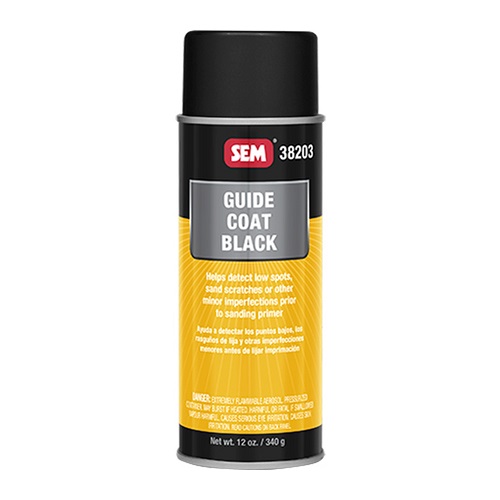
The Secret to Flawless Automotive Sanding: SEM 38203 Guide Coat Black
The Secret to Flawless Automotive Sanding: SEM 38203 Guide Coat Black
Achieving a smooth automotive paint finish starts long before the final color coat. Even small sanding scratches or uneven primer surfaces can affect the appearance of a finished repair. Fortunately, SEM 38203 Guide Coat Black helps technicians identify these imperfections before painting.
This professional aerosol guide coat provides visual contrast during sanding. As a result, automotive enthusiasts and body shop professionals can improve surface preparation and reduce unnecessary rework.
Why a Guide Coat Matters Before Painting
Sanding primer without a guide coat can make subtle surface defects difficult to recognize. Although a panel may appear smooth, low spots and scratches can remain hidden.
A black guide coat highlights these areas as sanding progresses. Consequently, technicians can identify where additional surface correction is necessary.
Furthermore, accurate sanding preparation helps create a more uniform foundation for automotive paint.
Key Benefits of SEM 38203 Guide Coat Black
This automotive sanding guide offers several practical advantages:
- Quick drying: Helps keep refinishing projects moving efficiently.
- Clear visual contrast: Makes low spots and sanding scratches easier to identify.
- Sandpaper-friendly formula: Designed to resist clogging abrasive paper.
- Convenient application: The aerosol format allows quick, controlled coverage.
- Improved sanding accuracy: Helps technicians recognize remaining imperfections.
Additionally, the 16 oz aerosol can is convenient for professional body shops and automotive restoration projects.
How to Use an Automotive Sanding Guide Coat
Correct application helps achieve consistent results throughout the sanding process.
- Prepare the surface: Complete the necessary repairs and allow the primer to dry according to its instructions.
- Shake thoroughly: Shake the aerosol can for one minute after the mixing ball begins rattling.
- Apply a light mist: Spray a thin guide coat over the primed repair area.
- Begin sanding: Use the appropriate sanding method and abrasive grade for the primer system.
- Inspect the surface: Watch for black coating remaining in low spots or scratches.
- Correct imperfections: Continue the repair process as necessary before final refinishing.
For best results, follow the manufacturer’s technical instructions and work in a properly ventilated area.
Common Sanding Mistakes to Avoid
One common mistake is applying too much guide coat. A heavy application is unnecessary because the product only needs to provide visual contrast.
Another mistake is ignoring remaining dark areas after sanding. These marks can indicate surface imperfections that require further attention.
Finally, rushing directly into painting can allow visible defects to remain beneath the final finish.
Achieve Professional Results with AutoPintora
Quality automotive refinishing depends on careful preparation. Therefore, using a reliable guide coat can make the sanding process more accurate and efficient.
Whether you’re restoring an older vehicle or completing professional collision repairs, proper surface inspection is an essential step.
Discover SEM Guide Coat Black and other professional automotive refinishing supplies at AutoPintora. Explore our online store and find products for your next repair project.